By Shingirai Masara
THE EAGLE’S Nest Agri-Challenge has returned for a second season following a successful inaugural edition that supported youth-led agricultural enterprises to strengthen their businesses and prepare for growth opportunities in local and international markets.
Implemented by ZimTrade with support from the Embassy of the Netherlands, the programme provides participants with mentorship, technical support and market-readiness strategies to help them build competitive agribusinesses.
The initiative continues to bridge the gap between local production and global competitiveness, and this debut season set a high bar, introducing audiences to a new generation of agri-preneurs, from hydroponic innovators to value-addition specialists.
The programme teaches participants that moving from soil to shelf demands rigorous consistency, scalability, and compliance.
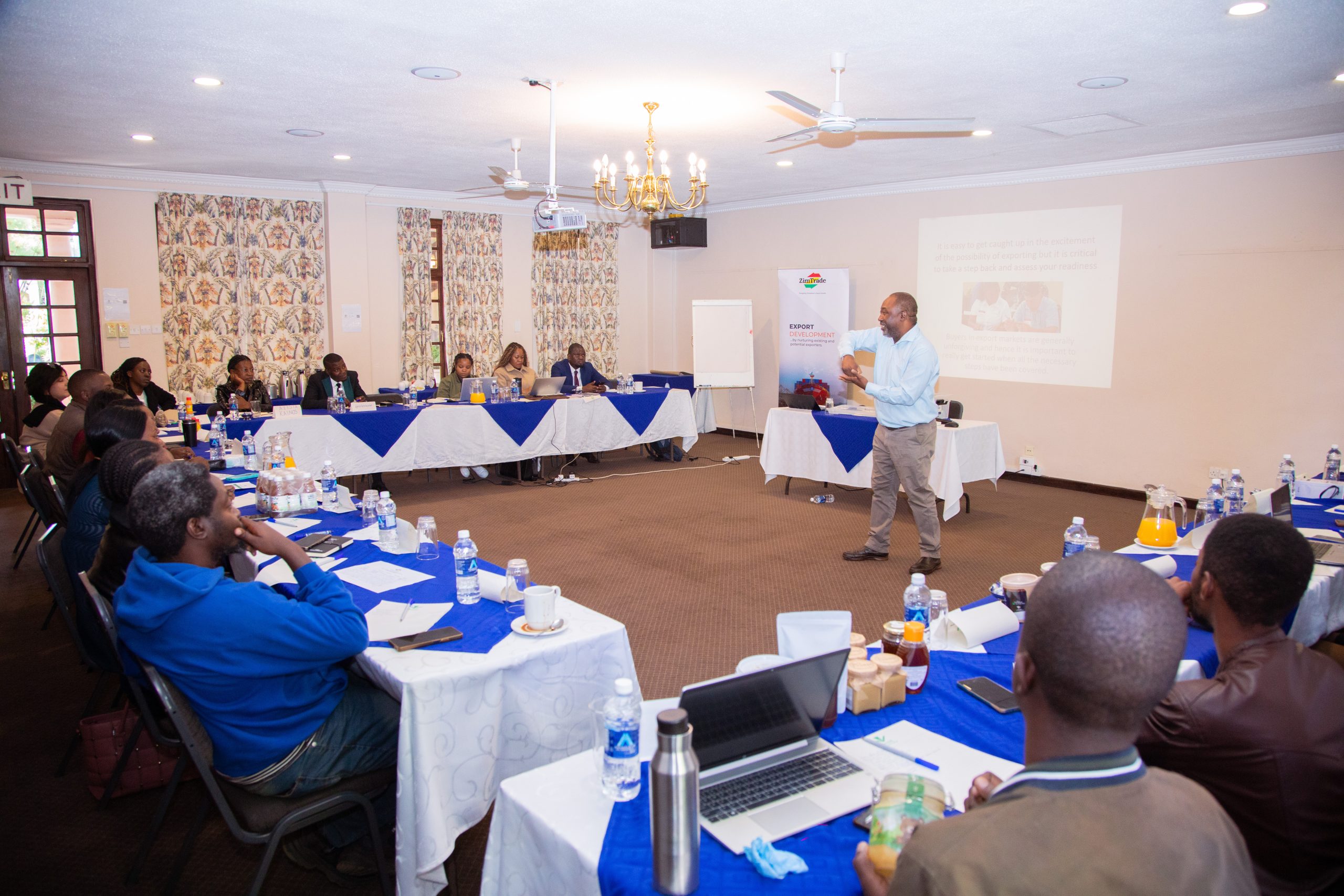
Season 2 began with an intensive three-day bootcamp held at the Bronte Garden Hotel from 3-5 June 2026.
The training curriculum is designed to transform farmers into export-ready entrepreneurs by focusing on several critical pillars.
Here, 25 selected agro-businesses received hands-on training from local experts, refining their ability to navigate the complexities of international trade.
Participants were trained to articulate their value proposition, market opportunity, and growth potential, with one participant noting, “Learning how to present our business to investors was not just about the words; it was about showing that our model and our vision for export is reliable and sustainable.”
Considering that export success hinges on shelf appeal and buyer trust, entrepreneurs were also guided through international compliance standards.
“The training made us realise that packaging is our silent salesperson in foreign markets,” shared an entrepreneur during the sessions.
“It’s about protecting the product while telling a brand story that resonates with global buyers”.
To ensure long-term viability, participants were coached on financial literacy, including managing cash flow and maintaining the clean records essential for securing capital from lenders and partners.
Finally, with an eye toward the future, the challenge emphasises the use of digital tools to overcome physical barriers.
Participants explored how to leverage social media and e-commerce platforms to conduct market research and generate leads, allowing them to engage with buyers far beyond Zimbabwe’s borders.