
By Nozipho Mphala
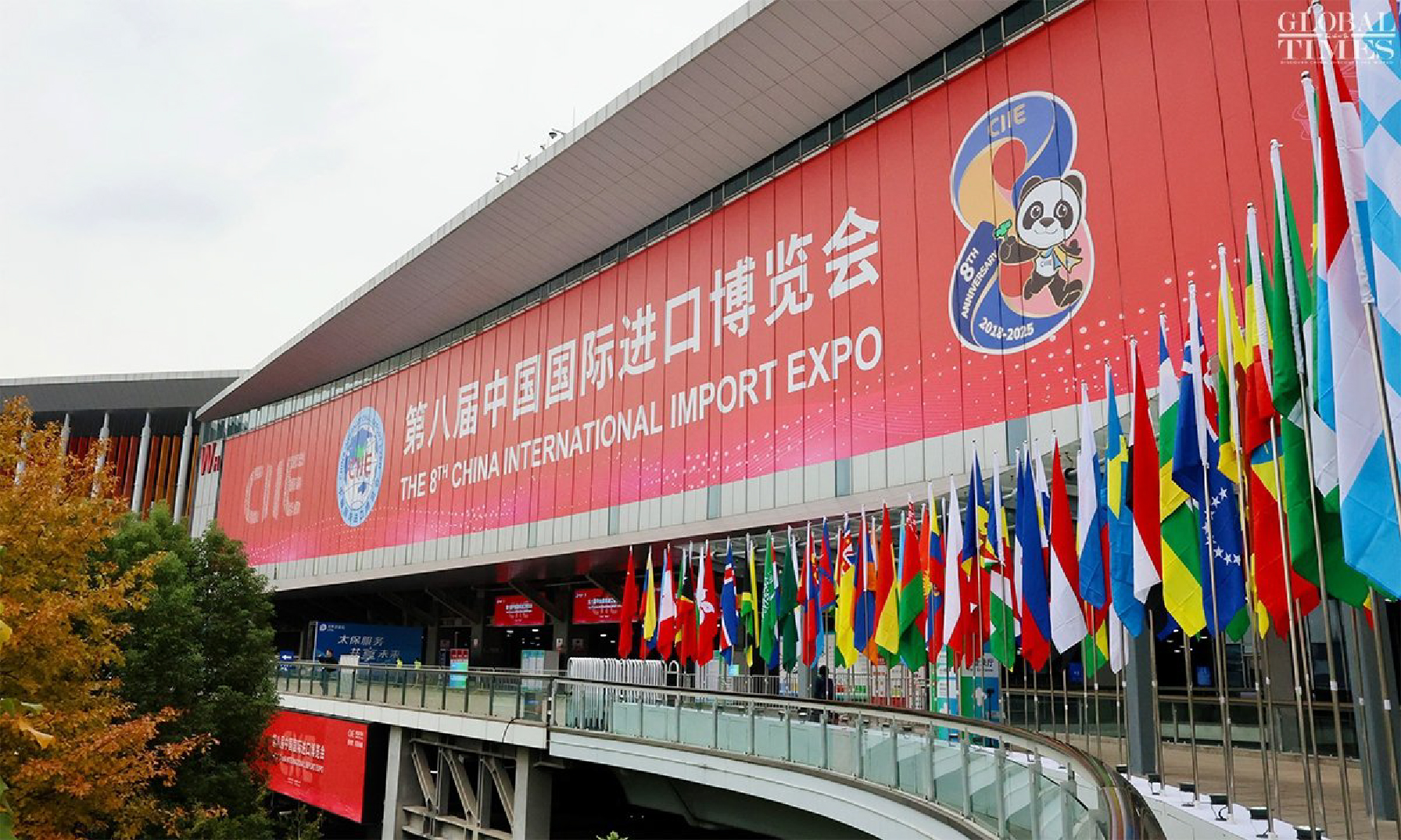
ZIMBABWE WILL return to Shanghai for the 9th China International Import Expo (CIIE) from 5 – 10 November 2026, taking a diversified range of products and services to one of the world’s largest import-focused trade platforms.
This year’s participation comes at an important point in Zimbabwe-China trade relations.
Bilateral trade reached US$4,4 billion in 2025, up 15,2 percent from the previous year.
Zimbabwe’s exports to China stood at US$2,57 billion, against imports of US$1,83 billion, giving Zimbabwe a trade surplus of approximately US$740 million.
CIIE therefore presents an opportunity to build on an already substantial trading relationship, while broadening the range of Zimbabwean products and services reaching the Chinese market.
Zimbabwe’s participation at CIIE 2026 will bring together companies from sectors including horticulture and agriculture, processed and heritage-based foods, leather and leather products, arts and crafts, tobacco, and services including e-commerce.
The mix reflects a deliberate push to diversify Zimbabwe’s exports to China.
While minerals and tobacco remain significant, new opportunities are opening for agricultural, processed and value-added products.
Agriculture is already demonstrating this potential.
Zimbabwe has secured market access for products including citrus, macadamia nuts, avocados and blueberries, opening pathways into China’s large consumer market.
The country’s first commercial shipment of blueberries entered China in 2026, joining a growing range of African agricultural products taking advantage of improved market access.
One of the most significant developments for Zimbabwean exporters heading to CIIE this year is China’s expanded zero-tariff policy for African countries.
From 1 May 2026, China extended zero-tariff treatment across 100 percent of tariff lines to all 53 African countries with which it maintains diplomatic relations.
Zimbabwe is among the 20 non-least-developed African countries newly covered by the measure, with the current preferential arrangement running for two years.
This changes the commercial equation for Zimbabwean exporters, and qualifying products that comply with the applicable rules of origin and market-entry requirements can enter China without import tariffs, improving their competitiveness in one of the world’s largest consumer markets.
Early trade figures show the scale of the opportunity; in May and June 2026, the first two months following implementation of the expanded policy, China imported around US$28,72 billion, worth of goods from Africa, representing a 23,5 percent year-on-year increase.
Imports of African avocados increased by 130 percent, apples by 89,6 percent and oranges by 27,9 percent.
For Zimbabwe, the opportunity extends beyond simply selling more of what the country already exports.
Zero tariffs strengthen the case for developing processed foods, branded agricultural products, finished leather products, arts and crafts and other higher-value exports for the Chinese market.
Horticulture presents one of the clearest opportunities with macadamia nuts, citrus, avocados and blueberries having already secured pathways into the market, while the successful entry of Zimbabwean blueberries this year demonstrates how negotiated market access can translate into actual trade.
The response to Zimbabwean sculpture also points to opportunities beyond traditional commodity exports.
Zimbabwe’s distinctive creative products, handicrafts and natural-material products have the potential to appeal to consumers looking for authentic, differentiated and premium African products.
China is also actively using CIIE, the China-Africa Economic and Trade Expo and cross-border e-commerce platforms to connect African products with its market.
These measures complement the zero-tariff policy by addressing some of the practical challenges around market access, customs clearance and distribution.
Against this background, CIIE becomes particularly important.
Unlike conventional trade fairs centred largely on exports from the host country, the Expo was established specifically to facilitate imports into China, bringing international suppliers together with Chinese buyers, distributors, retailers and investment partners.
For Zimbabwean companies, participation therefore provides an opportunity to showcase products, engage potential buyers, understand market requirements and establish the commercial relationships needed to convert preferential market access into orders.