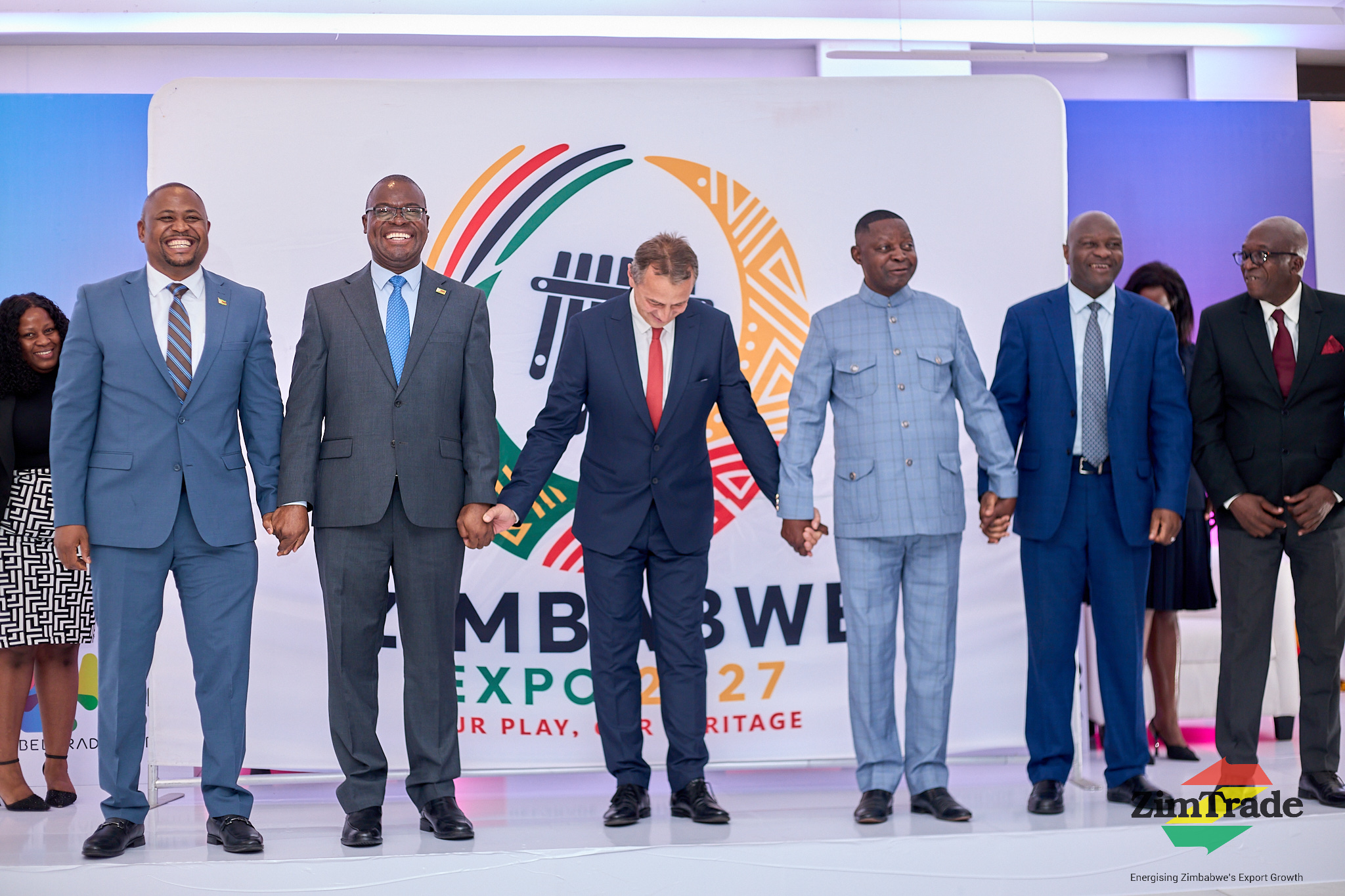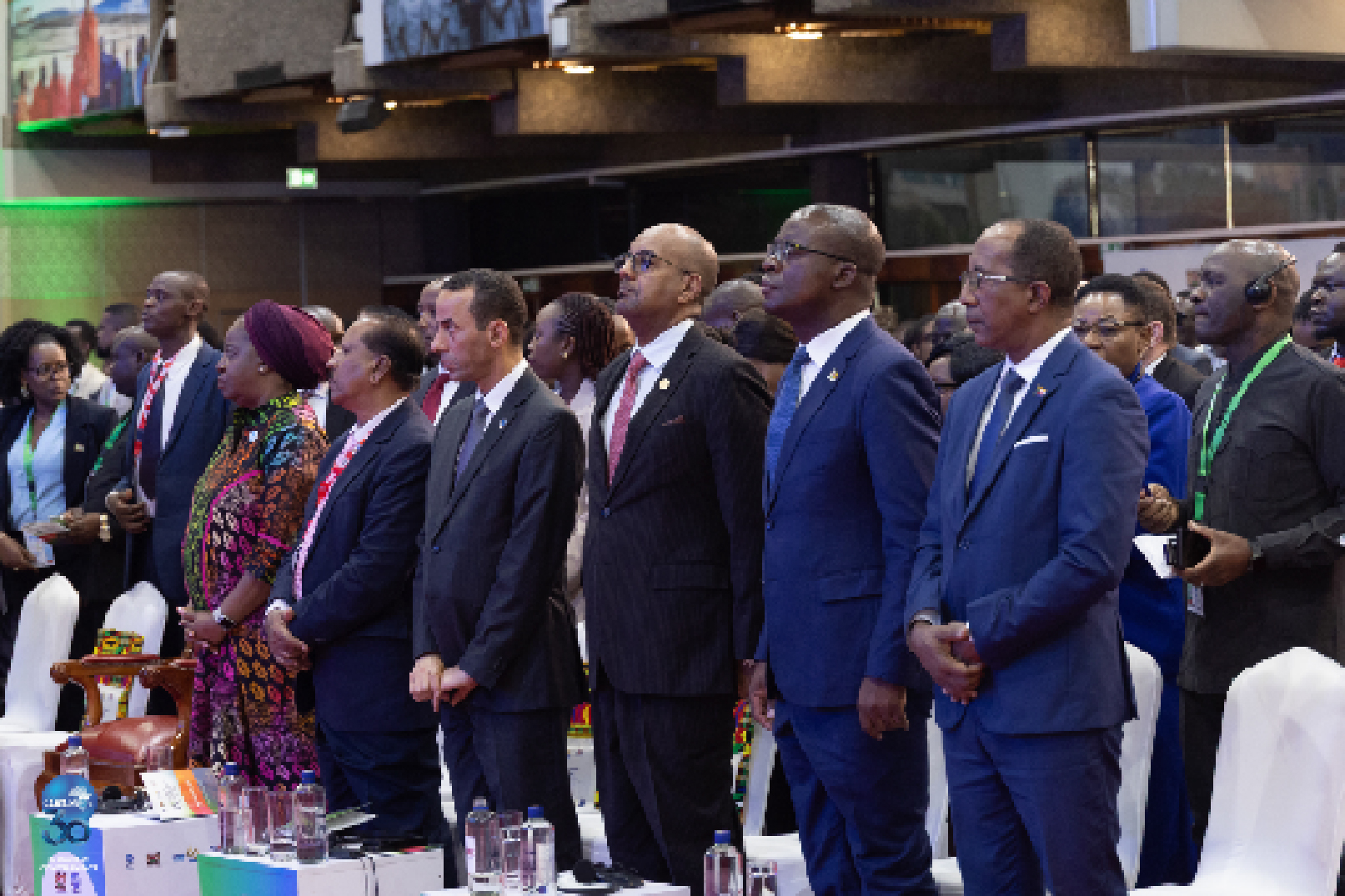

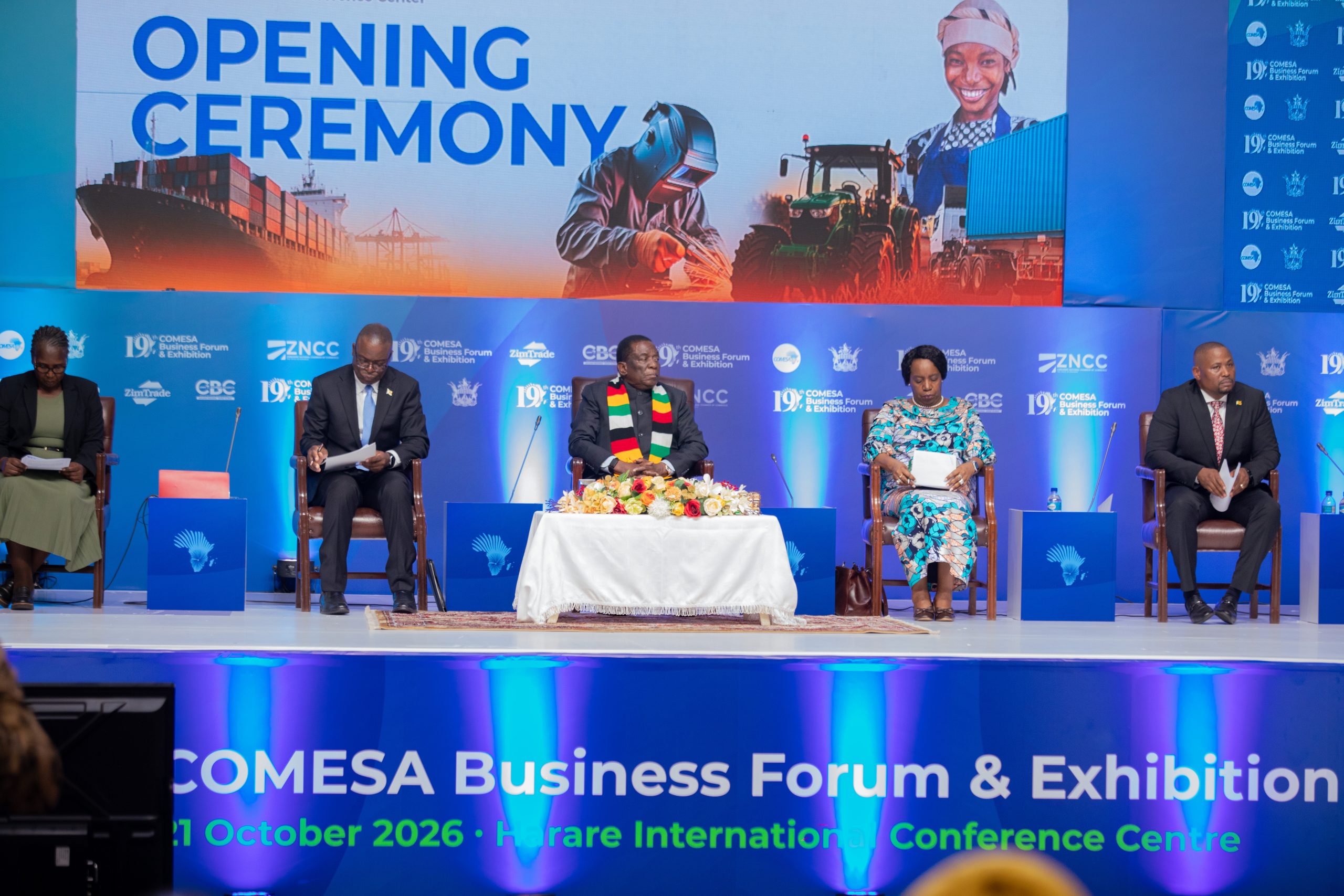
ZIMBABWE’S SUCCESSFUL hosting of the just-ended 19th COMESA Business Forum has set the stage for greater regional trade and investment, following the adoption of a landmark declaration aimed at removing barriers to business, strengthening regional industries and expanding market opportunities for exporters.
The gathering, which regional business leaders described as one of the most successful editions of the forum to date, concluded with far-reaching recommendations expected to shape the future of trade and industrial development across the Common Market for Eastern and Southern Africa (COMESA).
Held in Harare on October 19 and 20, 2026, alongside the COMESA Green Industry Connect, the forum brought together policymakers, investors and business leaders to explore ways of transforming the region’s vast economic potential into tangible commercial opportunities.
The event was complemented by a three-day multi-sectoral trade exhibition, which attracted more than 150 exhibitors, providing a platform for enterprises to showcase products, establish partnerships and explore new markets.
In recognising the success of the event, the regional business community commended President Mnangagwa, the Government and people of Zimbabwe, alongside the COMESA Secretariat, ZimTrade and the Zimbabwe National Chamber of Commerce, for delivering a forum distinguished by high-level participation, strategic partnerships and strong business engagement.
A major outcome was the adoption of the COMESA Business Declaration 2026, which outlines six broad calls to action covering regional value chains, investment and finance, green industrialisation, digital trade, transport connectivity and private sector participation.
The Declaration, subsequently incorporated into the communiqué of the 25th COMESA Heads of State and Government Summit on October 22, provides a framework for addressing longstanding challenges that have prevented businesses from fully exploiting regional market opportunities.
Although the recommendations require further action by Member States and regional institutions, they offer Zimbabwean exporters a clearer picture of the changes being pursued to make cross-border trade easier, more competitive and profitable.
Easier, fairer market access
One of the major outcomes of the forum was a renewed commitment to addressing the trade barriers that continue to increase the cost of doing business across COMESA.
Despite progress in regional integration, exporters still encounter different product classifications, inconsistent standards and certification requirements that delay consignments and increase operational expenses.
The Declaration calls for harmonised product definitions, mutual recognition of standards and conformity assessments, and dedicated green lanes to facilitate faster clearance of certified regional products.
It also advocates wider use of the Simplified Trade Regime, national single windows and coordinated border management to reduce unnecessary administrative procedures.
Significantly, regional business leaders called for non-tariff barriers reported through the COMESA–EAC–SADC online mechanism to be resolved within agreed timelines, with clear institutional responsibilities.
For Zimbabwean exporters, these proposals could reduce repeated product testing, customs disputes and border delays, making regional markets more accessible and improving the predictability of trading costs.
Digital trade systems
Digital transformation emerged as another major priority, with delegates recognising that regional integration cannot reach its full potential while cross-border trade continues to depend on fragmented and largely paper-based procedures.
The Declaration calls for accelerated adoption of interoperable digital trade systems, including electronic certificates of origin, national single windows, digital customs procedures and mutual recognition of electronic documents.
It also promotes harmonised digital identity systems, electronic signatures, data protection frameworks and greater connectivity between national payment platforms.
Regional payment arrangements, including REPSS and PAPSS, were identified as important instruments for reducing the cost and complexity of cross-border transactions.
For exporters, the proposed reforms would mean fewer document submissions, faster customs clearance and more efficient payment settlements.
Such improvements could particularly benefit smaller businesses, which often lack the financial and administrative resources to navigate complicated cross-border procedures.
Access to finance
The forum also placed access to affordable finance at the centre of efforts to strengthen regional trade and industrialisation.
Business leaders acknowledged that many promising enterprises remain unable to fulfil export orders because of limited working capital, restrictive collateral requirements and exposure to foreign-exchange risks.
To address these challenges, the Declaration proposes national and regional credit guarantee schemes, blended finance facilities and stronger partnerships with development finance institutions.
Institutions such as the TDB Group, Afreximbank and ATIDI were identified as important partners in mobilising long-term capital for industrial development, infrastructure and regional value chains.
The recommendations also promote alternative credit scoring, invoice financing, warehouse receipt systems, supply-chain financing and trade credit insurance.
These instruments could allow smaller exporters to obtain finance against confirmed orders, stored commodities or established trading relationships instead of relying exclusively on immovable property as collateral.
Greater access to local-currency lending and regional settlement systems would further help businesses manage exchange-rate risks and improve the profitability of cross-border transactions.
Opportunities in regional value chains
Another significant outcome was the recognition that COMESA must move beyond trading predominantly in raw materials and establish stronger regional industries capable of producing higher-value goods.
The Declaration identifies agro-processing, horticulture, coffee, leather and pharmaceuticals as priority sectors for developing competitive regional value chains.
It calls for coordinated investment in processing facilities, agro-industrial parks, modern machinery and shared infrastructure to strengthen production capacity across Member States.
Particular emphasis was placed on integrating small and medium enterprises into established supply chains through anchor-buyer arrangements, out-grower schemes, business clusters and regional sourcing platforms.
For Zimbabwean businesses, this creates opportunities to supply manufacturers and established buyers across the region while combining production volumes to meet larger orders.
Shared warehousing, aggregation facilities and transport infrastructure could also help smaller producers reduce logistics costs and improve their competitiveness.
One practical outcome of the Green Industry Connect was the signing of a memorandum of understanding between ZimTrade and the Africa Leather and Leather Products Institute to strengthen Zimbabwe’s leather value chain through skills development, innovation, modernisation and improved market access.
The partnership demonstrates how regional cooperation can support the transition from exporting primary products towards producing finished goods with greater commercial value.
Green and circular economy requirements
The forum further highlighted the growing importance of sustainable production in securing access to regional and international markets.
Business leaders recognised that requirements relating to environmental performance, traceability and sustainable packaging are increasingly influencing purchasing decisions.
The Declaration consequently calls for harmonised COMESA standards covering recycling, refurbished goods, secondary materials and circular production practices.
It also proposes dedicated financing facilities for businesses investing in circular industries, alongside training and technical support to meet emerging environmental requirements.
The recommendations include a phased approach to extended producer responsibility, allowing enterprises time to adjust to new obligations.
For Zimbabwean exporters, common regional standards could reduce compliance costs while supporting access to environmentally conscious buyers.
The emphasis on sustainable leather production, recycling and resource efficiency also presents opportunities for enterprises to develop new products and participate in emerging green value chains.
A more predictable regulatory environment
Business leaders also raised concerns over inconsistent regulations and sudden policy changes that undermine investment planning and increase trading risks.
The Declaration calls for the adoption of Good Regulatory Practices, including scientific studies, regulatory impact assessments, stakeholder consultations and clear policy implementation timelines.
These measures are intended to ensure that new regulations are developed transparently and that businesses have sufficient time to comply with changing requirements.
For manufacturers, greater regulatory certainty would support long-term investment decisions, reduce the risk of rejected consignments and minimise the costs associated with unexpected changes to production standards.
The proposed reforms would also strengthen cooperation between governments and the private sector, ensuring that commercial realities are considered when developing trade and industrial policies.
Support for women, youth and regional champions
Inclusive participation featured prominently among the outcomes, with the forum calling for stronger measures to integrate women, young entrepreneurs and smaller businesses into regional trade.
The Declaration advocates expanded business incubation, mentorship, access to finance and guaranteed market linkages for enterprises traditionally excluded from cross-border commercial opportunities.
It also encourages cross-border joint ventures, co-investment and closer cooperation among business associations, chambers of commerce and export promotion agencies.
Implementation of the newly developed Regional Trade Promotion Strategy was identified as another important step towards strengthening regional business networks.
For Zimbabwean companies, these measures could create new opportunities to establish distribution partnerships, access reliable suppliers and develop joint ventures with businesses operating in other COMESA markets.
Stronger institutional support would also improve access to market intelligence, export promotion programmes and opportunities within regional supply chains.
Positioning for AfCFTA
Beyond strengthening trade within COMESA, the forum recognised the importance of aligning regional integration efforts with the African Continental Free Trade Area (AfCFTA).
The Declaration proposes that established COMESA trade facilitation instruments, including the Simplified Trade Regime, electronic certificates of origin, One-Stop Border Posts and the Regional Customs Transit Guarantee, should serve as models for wider continental implementation.
It also calls for improved transport corridors and measures to facilitate the movement of businesspeople, services and goods across borders.
These recommendations could reduce duplication between regional and continental trade arrangements, helping exporters expand into new African markets without having to navigate entirely different trading systems.
For Zimbabwean businesses, the outcome reinforces the importance of building export capacity within COMESA as a foundation for participating in the wider African market.
While implementation of the Declaration will depend on coordinated action by governments, regional institutions and the private sector, exporters can already begin positioning themselves for the proposed changes.
Businesses can make greater use of existing mechanisms for reporting non-tariff barriers, strengthen their compliance with regional standards and prepare to adopt digital customs and payment systems.
Engagement with export promotion agencies such as ZimTrade, business associations and regional buyers will also be important in identifying emerging opportunities and developing the partnerships needed to enter new markets.
The successful hosting of the forum has therefore produced more than a declaration of intent. It has established a shared business agenda for addressing practical trade challenges, expanding investment and strengthening regional production.
The challenge now is to translate the commitments reached in Harare into concrete reforms, increased business transactions and stronger industries, ensuring that the success of one of COMESA’s most acclaimed business forums delivers lasting benefits for exporters across the region.