
By Pamela Surumete
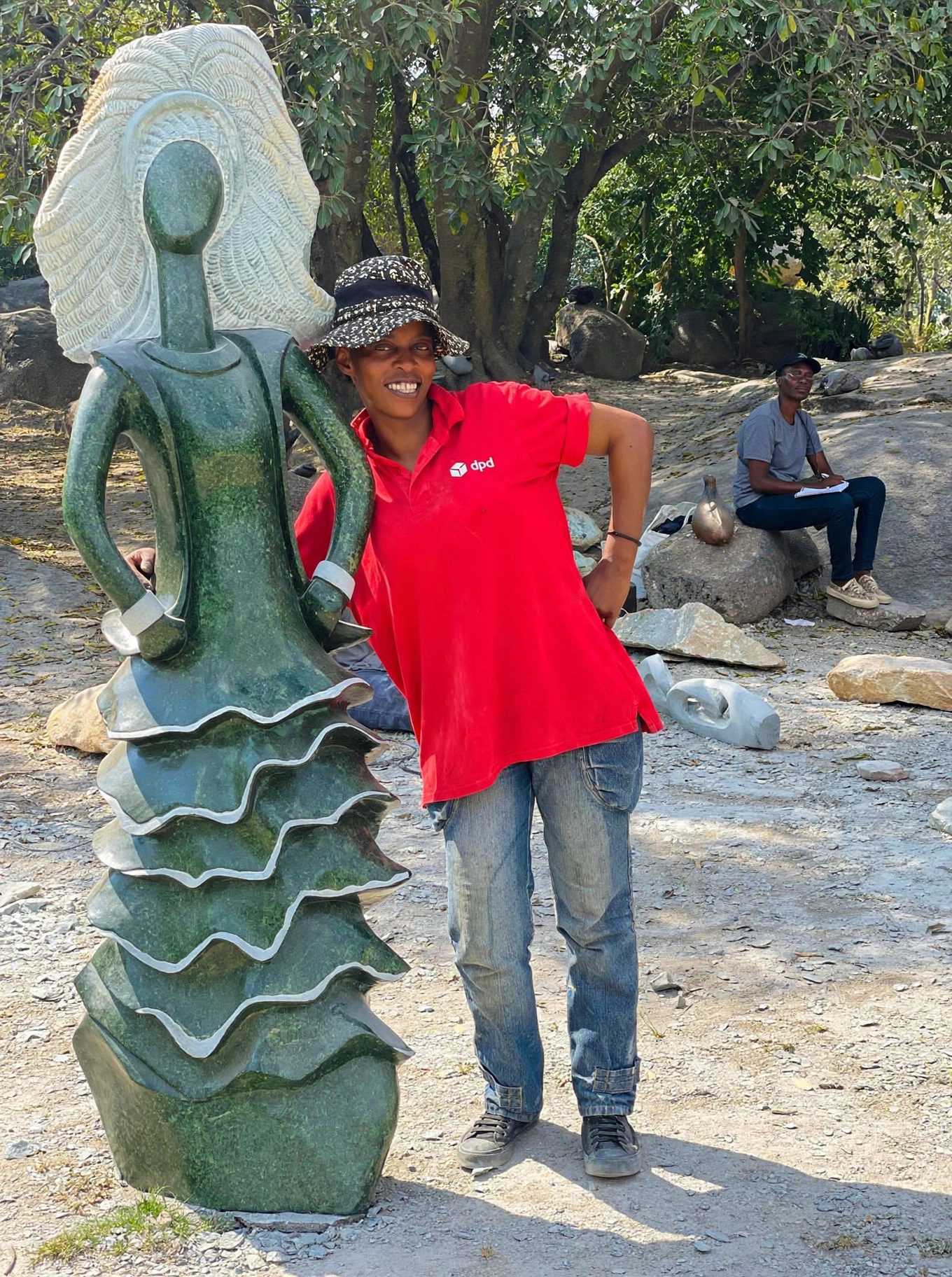
ZIMBABWE’S STONE sculpture industry is strengthening its contribution to arts and crafts exports, supported by growing international demand for handmade products and renewed interest in African art.
The United Kingdom, United States, Germany, France, South Africa and the Netherlands are among the major destinations for Zimbabwe’s produced sculptures.
The export performance reflects the continued appeal of Zimbabwean stone art, which is recognised internationally for its craftsmanship, cultural significance and distinctive designs.
Local sculptors are taking advantage of this demand by improving product quality, responding to market requirements and building stronger relationships with foreign buyers.
The Mashava Arts Cluster in Masvingo Province is among the groups making progress in export markets.
Artists from the cluster recently dispatched their first consignment of 2026 to a buyer in the Netherlands after meeting requirements on quality, design and consistency.
The shipment marked another step in the cluster’s drive to expand beyond the domestic and tourism markets.
It also demonstrated the potential for organised groups of artists to build lasting commercial relationships with international buyers.
Global demand for handmade, ethically sourced and sustainable products is creating further opportunities for Zimbabwean sculptors.
Consumers in Europe, North America and parts of Asia are increasingly turning to artisan-made products in the home décor, garden ornament and fine art markets.
The growing appreciation of African art has also increased the visibility of Zimbabwean sculptures.
Shona sculpture, in particular, has earned international recognition for its originality, symbolism and craftsmanship.
Zimbabwe’s range of natural stones gives local artists an additional advantage.
The country has deposits of serpentine, springstone and opal stone, which are valued for their colour, texture and suitability for carving.
These resources, combined with skills passed from one generation to another, enable sculptors to produce artworks that stand out in international markets.
Sustaining export growth will, however, require artists to maintain quality, improve packaging and meet agreed production and delivery schedules.
Sculptors also need a clear understanding of buyer preferences, pricing, export documentation and transport arrangements.
ZimTrade is supporting artists through market intelligence, export development programmes, technical assistance and links with international buyers.
The support is intended to help artists improve their export readiness and turn creative skills into sustainable businesses.
The Mashava Arts Cluster has benefited from ZimTrade’s Cluster Development Programme, which seeks to connect rural producers and small enterprises with export markets.
The programme helps producers improve product quality, organise production, understand market requirements and engage potential buyers.
Working as a cluster also allows artists to combine production, meet larger orders and maintain consistency across consignments.
The latest shipment to the Netherlands reflects the progress made through sustained market development and exporter support.
It also shows how rural artists can earn foreign currency and create employment when they are connected to reliable markets.