
By Kuda Tirivavi (Opinion)
MATABELELAND NORTH is known for Victoria Falls, coal mining and power generation.
These sectors anchor economic activity in the province, but they do not capture its full export potential.
Several districts have indigenous fruits and natural fibres.
The province also has honey, hardwoods and established craft skills.
Most of these resources enter informal markets with little processing, and some are not marketed at all.
This limits income and leaves viable export opportunities underdeveloped.
However, there is opportunity to develop connected supply chains by aggregating raw materials and processing them to the required standard, resulting in consistent supply to selected markets.
For this to be a reality, investment should focus on the stages between collection and export.
Much of Matabeleland North falls within Natural Regions IV and V.
Low and erratic rainfall limits conventional rain-fed production.
Indigenous resources are better adapted to these conditions and they provide a practical base for new commercial activity without requiring the province to depend on one crop.
In most cases, the main weakness is not a lack of resources but mostly the absence of organised supply systems.
Fruit is often sold raw or lost during the harvesting season.
Honey volumes remain spread across small producers and crafts are made without agreed specifications or firm order schedules.
Additionally, timber can leave the province with limited local processing.
Value-addition to these natural resources is essential, and indigenous fruit processing is one entry point.
Baobab pulp can be milled into food-grade powder. Its seeds can be pressed for cosmetic oil.
Marula can supply juice, preserves and kernel oil.
Umviyo can be tested for juice, jam and dried products.
Product development and shelf-life testing will determine which options can be produced at a commercial scale.
Beekeeping can complement fruit collection because both depend on the province’s woodland resources.
Investment in modern hives can improve production and better harvesting methods can improve quality.
Testing and aggregation can prepare honey for formal markets while further value can be developed through beeswax candles, propolis and cosmetic products.
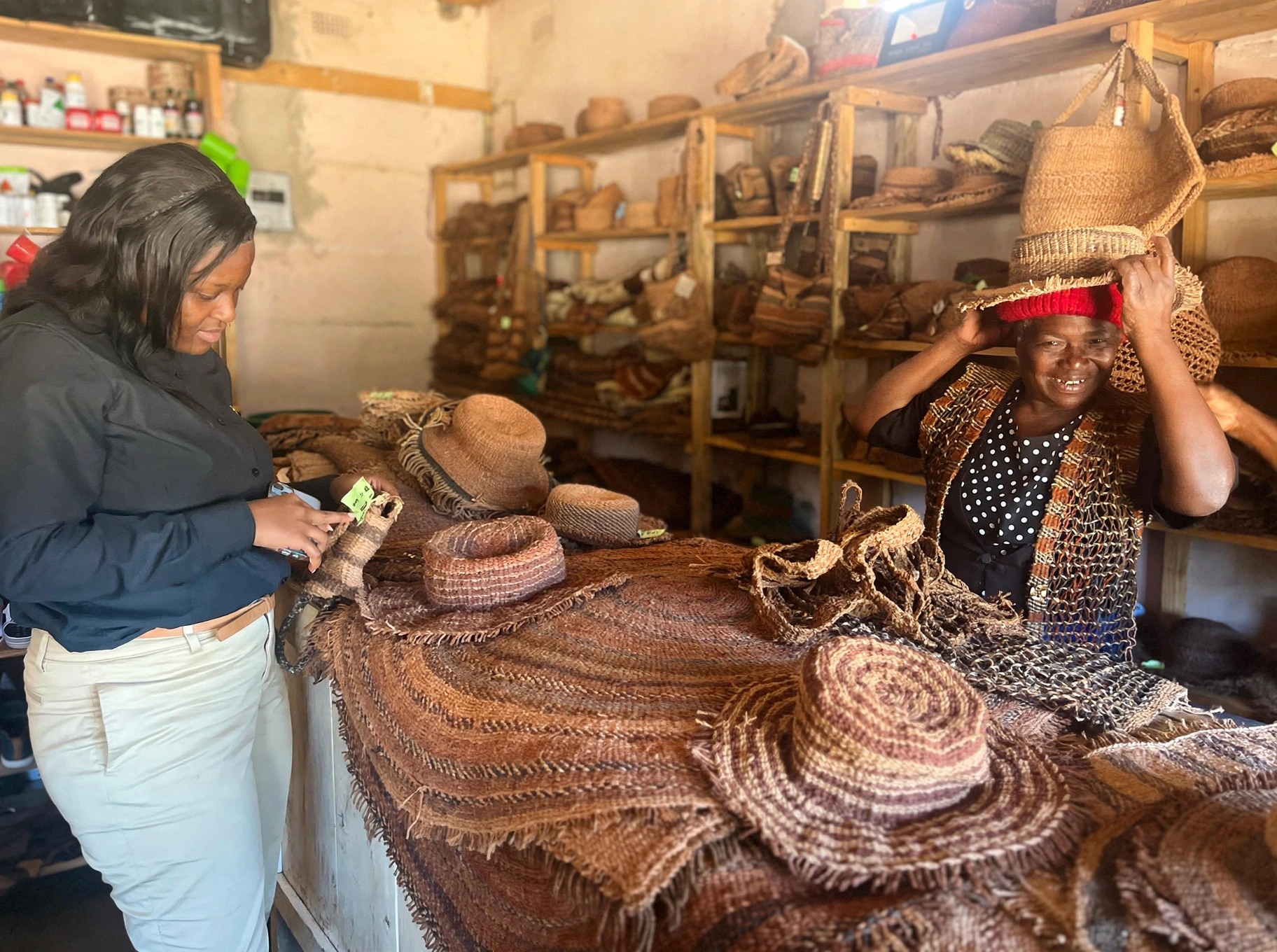
Basketry is also another product that provides another opportunity for rural enterprise.
For example, Ilala palm products can supply the hospitality and home-decor markets.
Victoria Falls offers a useful local platform for testing designs and building links with international visitors.
However, artists require training to execute export orders that will require consistent dimensions and finishing.
Producers will also need reliable order planning and suitable transport packaging.
Hardwood investment should focus on local value addition.
Potential products include furniture, flooring and specialist components.
Timber must be legally sourced and traceable.
Production must also comply with rules for protected species.
This approach can support manufacturing while protecting the natural resource base.
So how do we develop reliable supply chains? The first requirement is aggregation.
There is a need for setting up of collection points in suitable districts to consolidate fruit, honey and craft orders.
These centres can also have grading and basic traceability, giving processors a more predictable supply base.
The second requirement is processing capacity.
Another development should be made in shared facilities that provide drying, milling and oil pressing.
These facilities could also support honey testing, packaging and storage.
A shared facility like this would reduce the cost of compliance for smaller enterprises.
The third focus should be in product development.
Laboratories and certification bodies will be needed to verify quality.
Food technologists can help enterprises develop stable products from indigenous fruits.
Designers can support basketry and home-decor collections.
Furniture manufacturers can adapt products to buyer specifications.
Finance and commercial partnerships are also important to assist with providing working capital, required to purchase seasonal raw materials and hold stock.
Pricing systems should provide a fair return to producers while keeping the final product competitive.