
By Alex Mutandi (Opinion)
ZIMBABWEAN EXPORTERS have an opportunity to reach new buyers and strengthen their presence in international markets when the country participates at Specialised Expo 2027 in Belgrade, Serbia.
The Expo will run from May 15 to August 15, 2027, and is expected to attract about four million visitors.
More than 130 countries have confirmed their participation.
Zimbabwe’s participation is expected to support efforts to strengthen trade relations with Serbia while opening new commercial links in Europe, Asia and other markets.
The 93-day event will bring together government officials, diplomats, business leaders, investors and consumers, giving local companies access to a broad network of potential buyers and partners.
Its theme, “Play for Humanity: Sport and Music for All”, also provides Zimbabwe with an opportunity to market products linked to its culture, heritage and creative industries.
More than 8 000 events are expected to be held during the Expo, increasing the scope for product promotion, business meetings and cultural exchanges.
Careful selection of participating sectors will be important in ensuring that Zimbabwe attracts strong commercial interest throughout the event.
The arts and crafts sector is among those expected to benefit most from the Expo’s cultural focus and large international audience.
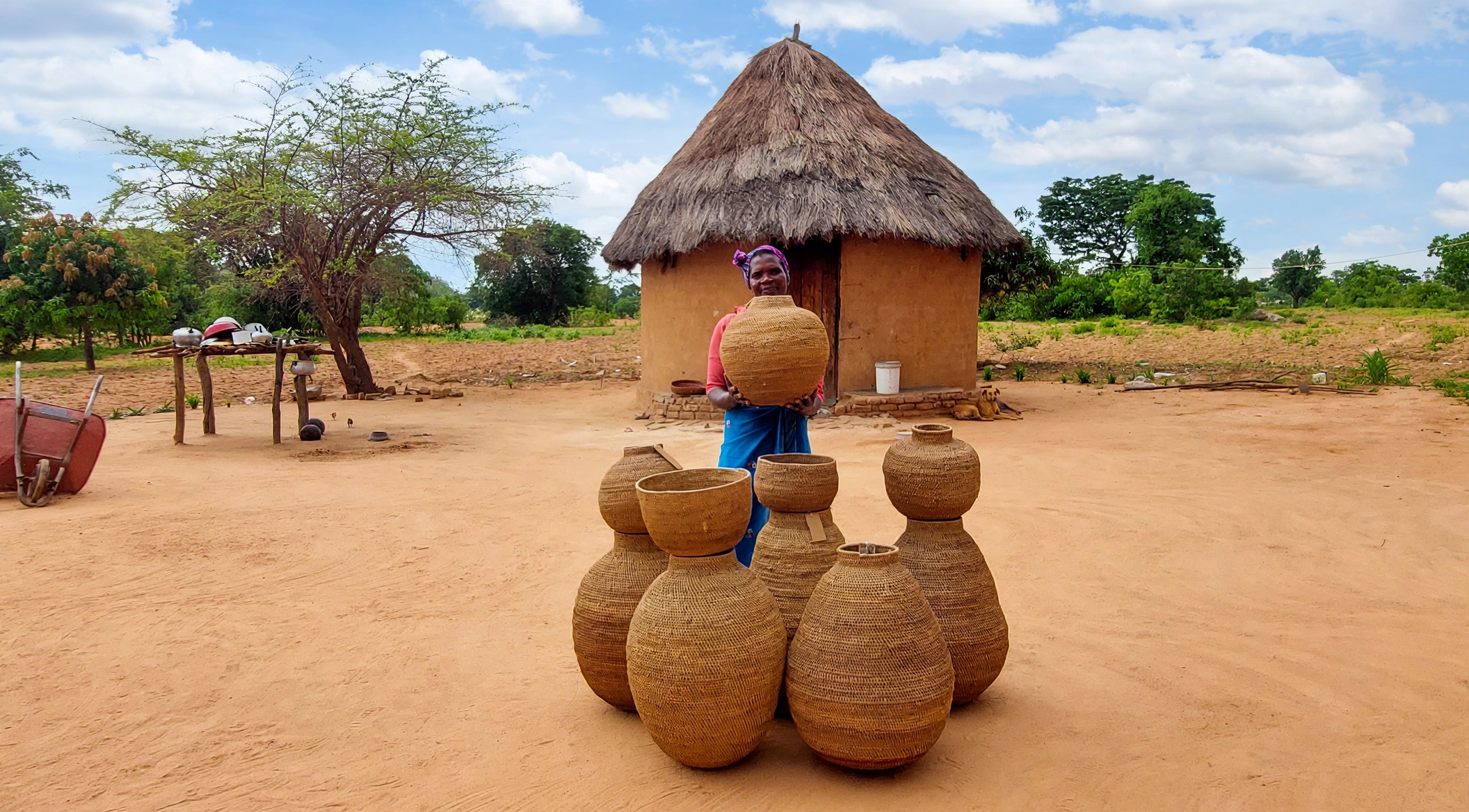
Zimbabwean stone sculptures, baobab bark weavings, basketry and zoological collections are already known in foreign markets for their craftsmanship and cultural value.
The Expo will allow local producers to present these products to art collectors, interior designers, retailers and other buyers looking for authentic, handmade goods.
Products from groups such as the stone pieces could benefit from exposure to markets where consumers place a premium on the story, origin and craftsmanship behind a product.
Basketry also has strong prospects as global buyers increasingly seek products made from natural and sustainable materials.
Zimbabwean baskets made from Ilala palm, baobab bark and other locally available materials combine practical use with distinctive designs.
Their use of renewable materials makes them suitable for buyers interested in ethically sourced home décor and lifestyle products.
The Expo’s emphasis on music creates a further opening for traditional Zimbabwean instruments.
Mbiras, drums, hosho and marimbas carry cultural significance, but they also have commercial potential in the global music, education and cultural tourism markets.
Participation willconnect local producers with music retailers, museums, schools and cultural institutions.
It will also create opportunities for collaboration between traditional instrument makers and contemporary musicians seeking to incorporate African sounds into modern productions.
The leather sector is another area with potential to attract business at the Expo.
Zimbabwean producers of footwear, bags and accessories will have an opportunity to demonstrate their design and manufacturing capabilities to European fashion houses, distributors and specialist retailers.
Access to such buyers could help local companies secure orders, establish distribution arrangements and improve their understanding of international design and quality requirements.
The Expo could also provide useful market exposure for Zimbabwe’s essential oils and organic products.
Products derived from baobab, marula, moringa and zumbani are well placed to benefit from growing international demand for natural ingredients used in cosmetics, personal care products and wellness ranges.
Engagement with buyers from Europe, Asia and the Americas could lead to supply agreements and help producers identify the certification, packaging and volumes required in those markets.
Zimbabwe’s emerging traditional wine industry could also use the event to test international interest in products made from indigenous fruits.
Wines produced from tsubvu, muhute and mapfura offer a distinctive product that reflects the country’s natural resources and traditional knowledge.
Presenting the wines to distributors, specialist retailers and consumers could provide valuable market feedback and create a foundation for future export growth.
Zimbabwe’s participation at the Belgrade Expo will therefore require more than the display of products.
Exporters will need to use the platform to gather market intelligence, establish buyer contacts and understand the standards, packaging and distribution arrangements required in different markets.
A coordinated approach will help turn the country’s cultural and natural resources into stronger commercial opportunities while widening the contribution of creative and value-added products to exports.