

By Melisa M Ncube
ZIMBABWEAN COMPANIES have been urged to take a more strategic approach to the South African market by targeting opportunities in manufacturing, industrial supply chains, technology partnerships and regional distribution networks.
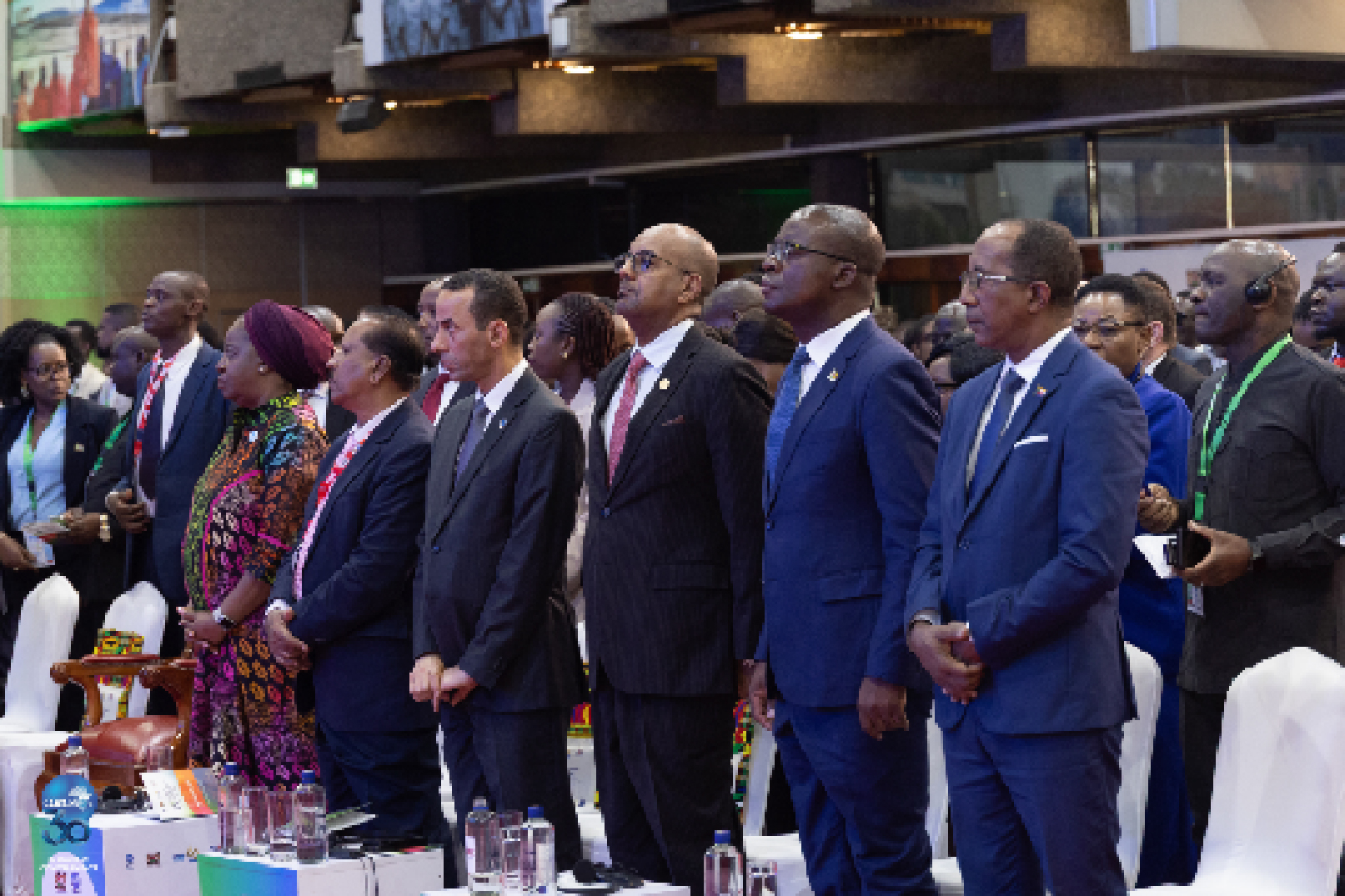
The opportunities came under discussion at the South Africa–Zimbabwe Business Forum held on 21 August 2026, at the Gallagher Convention Centre in Midrand.
The Forum was held on the sidelines of the South Africa–Zimbabwe Bi-National Commission under the theme, “Catalysing Economic Resilience: Strategic Trade and Investment Partnerships for the Future.”
It brought together businesses, investors, manufacturers, Government institutions and trade support organisations from the two countries to explore ways of strengthening trade and investment relations.
Discussions focused on the need to move beyond increasing the volume of goods traded between the two countries and place greater attention on production partnerships, value addition and stronger regional value chains.
South Africa has a large consumer market supported by an extensive industrial base comprising manufacturers, processors, mining companies, engineering firms, distributors and suppliers.
For Zimbabwean companies, this presents opportunities to supply products and services directly into these industries.
Businesses producing packaging, mining inputs, processed foods, chemicals, steel products, leather goods and specialised components can target manufacturers and processors that require inputs for their operations.
This means that, in some cases, the most suitable customer may not be the final consumer, but a company looking for a reliable supplier within its production chain.
Such opportunities can lead to supplier agreements, contract manufacturing, distribution partnerships and joint production arrangements.
They also require companies to undertake detailed market research.
Exporters need to understand how targeted industries operate, the products and inputs they require, the gaps in existing supply chains and the standards expected of suppliers.
The Forum also highlighted areas where Zimbabwe and South Africa can combine their respective strengths.
Zimbabwe has natural resources, agricultural capacity, manufacturing capabilities and opportunities for further value addition, while South Africa has established industrial networks, technology, engineering expertise and deeper capital markets.
Sectors identified for possible cooperation included mining and beneficiation, manufacturing, agriculture and agro-processing, energy, tourism and technology.
For businesses targeting these sectors, identifying demand is only part of the process.
A buyer enquiry may require a company to increase production, acquire new machinery, improve technology, secure working capital or meet higher quality and certification requirements.
The ability to supply consistently and meet agreed volumes and specifications therefore remains important.
South Africa has traditionally been a major source of machinery and equipment for Zimbabwean industry.
The Forum, however, also looked at opportunities for technology transfer, shared manufacturing and stronger industrial partnerships between businesses in the two countries.
Zimbabwe has production potential in minerals, steel, agriculture and other resource-based industries, while South Africa has established capabilities in precision engineering, machinery and advanced manufacturing.
Linking these capabilities could create opportunities for companies to develop products jointly and strengthen production across regional value chains.
Smaller businesses can also benefit from such arrangements.
A company may not have the capacity to supply a large retail market directly, but it may be able to provide a specific component, raw material, packaging product or service required by a larger manufacturer.
Participation in supply chains can therefore provide smaller businesses with an entry point into regional markets.
The African Continental Free Trade Area also widens the scope of such partnerships.
Products developed through Zimbabwe–South Africa production linkages can be supplied beyond the two countries into other African markets.
For example, Zimbabwean raw materials can be combined with South African technology, engineering expertise or distribution networks to produce goods for customers elsewhere on the continent.